


How Stand-Up Bags with Advanced Sealing Extend Dry Food Freshness
In the world of food packaging, maintaining freshness is paramount, especially for dry foods like snacks, cereals, and pet food. Stand-up bags, equipped with advanced sealing technology, have become a popular choice for both manufacturers and consumers looking to preserve the quality of their products. This article explores how these innovative bags work, the benefits they offer in extending food freshness, and the factors to consider when choosing stand-up bags for your products.
Understanding Stand-Up Bags
What Are Stand-Up Bags?
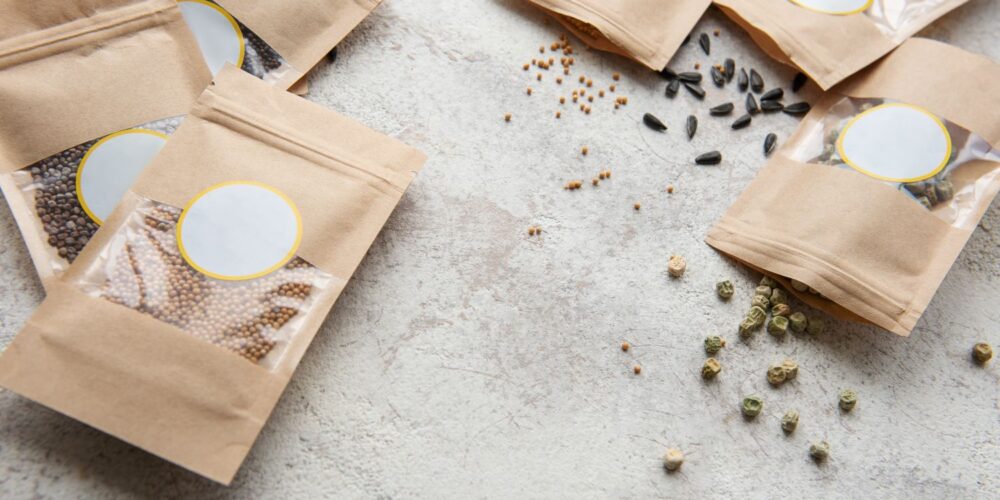
Stand-up bags are flexible pouches designed with a bottom gusset that allows them to stand upright on shelves or countertops. They are commonly used in the food industry for packaging a variety of dry goods, including snacks, grains, coffee, and pet food. The design not only provides convenience for storage but also enhances product visibility on retail shelves.
Advanced Sealing Technology
One of the standout features of modern stand-up bags is their advanced sealing technology. This includes:
- Heat Sealing: Heat-sealed closures create an airtight seal that prevents moisture and air from entering the bag, which is crucial for maintaining the freshness of dry foods.
- Zipper Closures: Many stand-up bags come with resealable zipper closures that allow consumers to open and close the bag easily while keeping contents fresh between uses.
- One-Way Valves: Some stand-up bags designed for products like coffee include one-way valves that allow gases to escape without letting air in, preventing spoilage and maintaining flavor.
Benefits of Stand-Up Bags with Advanced Sealing
1. Extended Freshness
The primary advantage of stand-up bags with advanced sealing technology is their ability to extend the freshness of dry foods. By creating a barrier against air, moisture, and contaminants, these bags help preserve the taste, texture, and nutritional value of the contents.
- Moisture Control: By preventing moisture from entering the bag, the risk of mold and spoilage is significantly reduced, particularly for products like cereals and snacks.
- Flavor Preservation: Airtight seals help retain the original flavor of the food, making it more appealing to consumers.
2. Convenience and Portability
Stand-up bags are lightweight and easy to carry, making them a convenient option for consumers. Their resealable features allow for easy access while keeping the contents secure. This is particularly beneficial for on-the-go snacking or for those who want to store food in smaller portions.
3. Space-Efficient Design
The ability of stand-up bags to stand upright maximizes shelf space in both retail settings and pantries. Their flexible nature allows them to be packed tightly, reducing wasted space during transportation and storage.
4. Customization and Branding
Stand-up bags offer ample surface area for branding and product information. Manufacturers can customize the design, colors, and graphics to create eye-catching packaging that attracts consumers. This branding opportunity can enhance product visibility and differentiate items in a competitive market.
5. Eco-Friendly Options
With the growing emphasis on sustainability, many manufacturers are producing stand-up bags from recyclable or biodegradable materials. This eco-friendly approach appeals to environmentally conscious consumers and aligns with broader sustainability goals.
Considerations When Choosing Stand-Up Bags
1. Material Selection
The material used in stand-up bags plays a significant role in their effectiveness. Common materials include:
- Polyethylene (PE): Lightweight and cost-effective, PE is often used for basic packaging needs.
- Polypropylene (PP): Offers better clarity and strength, making it suitable for products that require visibility.
- Foil Laminate: Provides an excellent barrier against moisture and light, ideal for products sensitive to these elements, such as coffee and snacks.
2. Size and Capacity
Consider the size and capacity of the stand-up bags based on the type of product being packaged. It’s essential to choose a size that balances product visibility with practicality, ensuring that the bags are neither too large nor too small for the contents.
3. Sealing Options
Evaluate the sealing options available for the stand-up bags. Heat seals, zipper closures, and one-way valves can significantly impact the freshness and usability of the product. Choose the sealing method that best aligns with the needs of your product and target market.
4. Regulatory Compliance
Ensure that the materials used for stand-up bags comply with food safety regulations and standards. This includes verifying that the bags are food-safe and suitable for storing edible products.
Conclusion
Stand-up bags with advanced sealing technology offer a versatile and effective solution for packaging dry foods, providing benefits that extend freshness, enhance convenience, and promote branding. By understanding the features and advantages of these bags, manufacturers can make informed choices that align with their product needs and consumer expectations. As the demand for quality packaging continues to grow, investing in stand-up bags can help businesses maintain product integrity and ensure customer satisfaction. Embrace the potential of these innovative packaging solutions to keep dry foods fresh and appealing, ultimately enhancing the overall consumer experience.